
What do a lupus patient, an HIV-positive elite controller, and a mouse have in common?

They all produced antibodies that target HIV's vulnerable binding protein.

Two of them produced these antibodies naturally. The third? We elicited it, with our vaccine candidate. And it's showing us the way to a better one.

Scroll down to see how we're combining the clues nature left us with cutting-edge, AI-powered molecular dynamics to design a next-generation HIV E-vaccine.

↓ Scroll down

The clues nature left us

Some people's immune systems already know how to beat HIV.

<1 in 200

Elite controllers

People with HIV who never get sick. Their immune systems quietly hold the virus in check, for decades, without medicine.

0

Exposures to HIV

Lupus patients who were never exposed to HIV made antibodies that target it anyway. It may even help explain why HIV is so rare in this group.

1

The lesson

Your immune system already knows how to fight HIV. The catch: HIV usually finds a way to switch that ability off.

How HIV plays dirty

How HIV has evolved to evade our immune system.

Illustrative
  1. 1 · The immune system moves in.

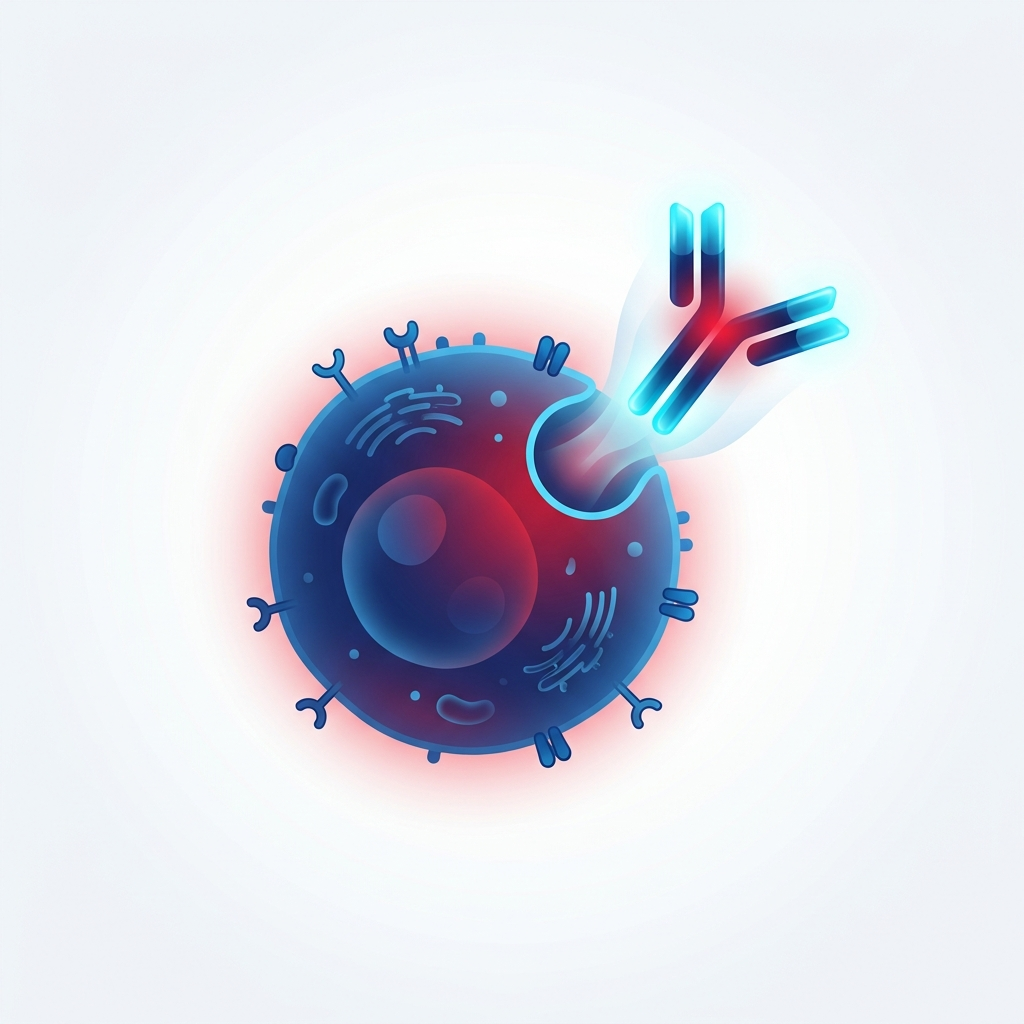
    A B-cell approaches HIV to start building antibodies.

  2. 2 · HIV flips an off-switch.

    At its most vulnerable spot, the virus shuts down the very response that would beat it. (Scientists call this superantigenicity.)

  3. 3 · And it hides.

    The one target HIV can't change is tucked away on the real virus, and it won't hold still.

  4. 4 · So we built a key.

    Our E-vaccine uses chemical "hooks" to grab the immune system's first responders and switch the response back on.

We don't hide our problems. We solve them.

Our vaccine candidate was inconsistent.

Our first-generation E-vaccine candidate did something no HIV vaccine had done before: in mice and in non-human primates, it trained the immune system to make the right antibodies, aimed squarely at HIV's unchangeable weak spot.

But it wasn't reliable enough.

  • Sometimes the response was strong; sometimes it barely showed up.

  • The antibodies didn't all grip the target the same way.

The culprit? The base of our vaccine, gp120, is floppy, constantly flexing and changing shape. Training an immune system against a moving target is like trying to photograph a hyperactive toddler.

For years, that was the wall. Then the tools caught up.

Atomic precision

For the first time, we can study interactions with HIV at the atomic level.

We partnered with the Amaro Lab at UC San Diego, one of the world's leading computational biology labs, which built the first atomic-resolution model of HIV's outer shell. Every spike. Every sugar. Every place the virus hides.

Using AI-powered molecular dynamics, they can finally do what no one could before: search for the single right shape of that floppy target, its neutralization-relevant conformation, and work to lock it into place. A still target is a teachable target.

Credit: Lorenzo Casalino (UC San Diego / Amaro lab). From Shehata, M., Casalino, L., Duquette, M. et al. Nat. Commun. (2026)

The road ahead

From a model on a screen to medicine in the world.

The next step can't happen on a computer. It happens in the lab.

A B-cell maturing and producing a Y-shaped IgG antibody
  • 1
    First, we find the lead. We immunize mice with several new generations of the rigidified, locked-shape immunogens and compare them head-to-head against the unoptimized originals. Across the groups we measure how often the immune system raises IgG antibodies to the conserved 421–433 site, how broadly those antibodies neutralize HIV, and how precisely they bind. The lead is the rare antibody with ideal 1:1 binding stoichiometry and the highest neutralizing titer.
The bigger prize

Then comes the audacious part. The same antibodies might not only prevent HIV. They might help clear it from people already living with the virus.

We administer the lead neutralizing IgGs to HIV-infected, ART-suppressed humanized mice and measure two things: the circulating virus (viral load) and the latent cellular reservoir, the dormant provirus that today's drugs can't reach. Reducing that reservoir is the path toward a functional cure.

April 2026
UCSD + ARF produce the optimized E-vaccine structure
December 2026
Animal-model validation studies
2027
Present the animal data to major funders and pharma partners for human-trial support
2028
Clinical trials with a global testing partner
We are here

75 years in the making

The right idea. The right scientists. Finally, the right tools.

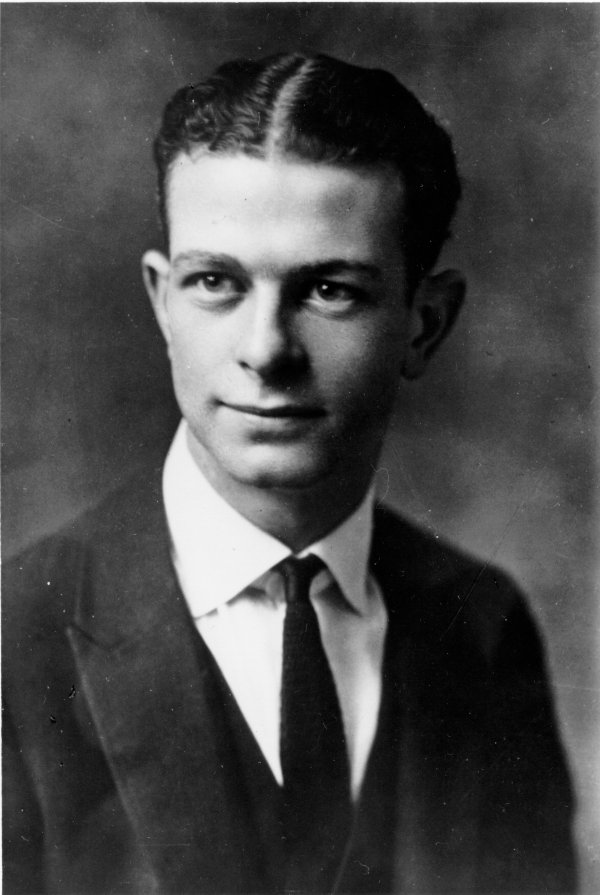
Linus Pauling, Oregon Agricultural College, ca. 1920
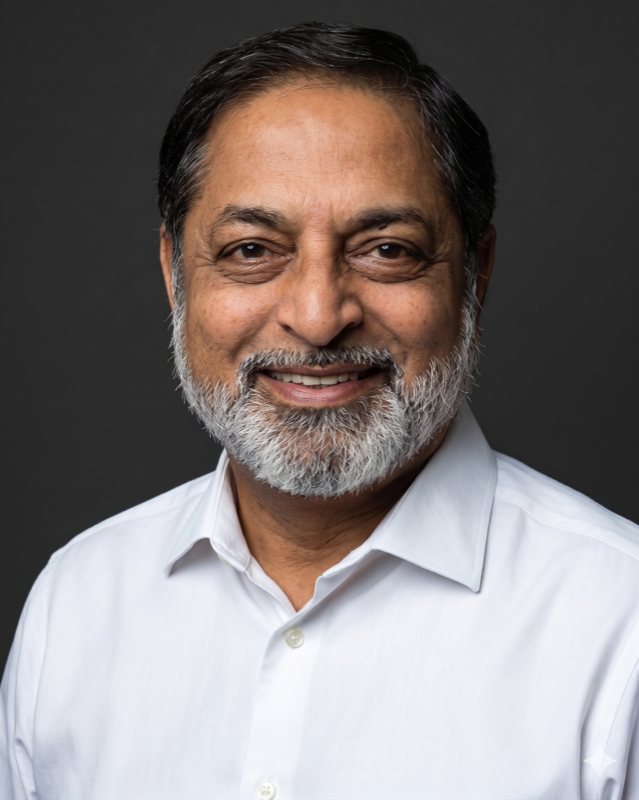
Dr. Sudhir Paul
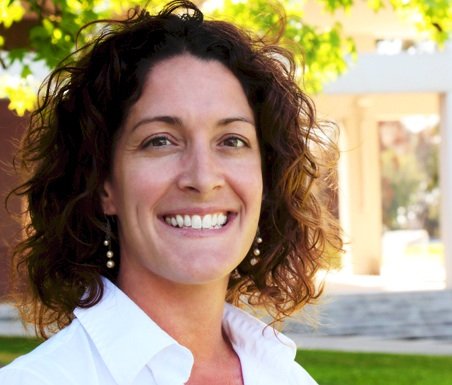
Dr. Stephanie Planque
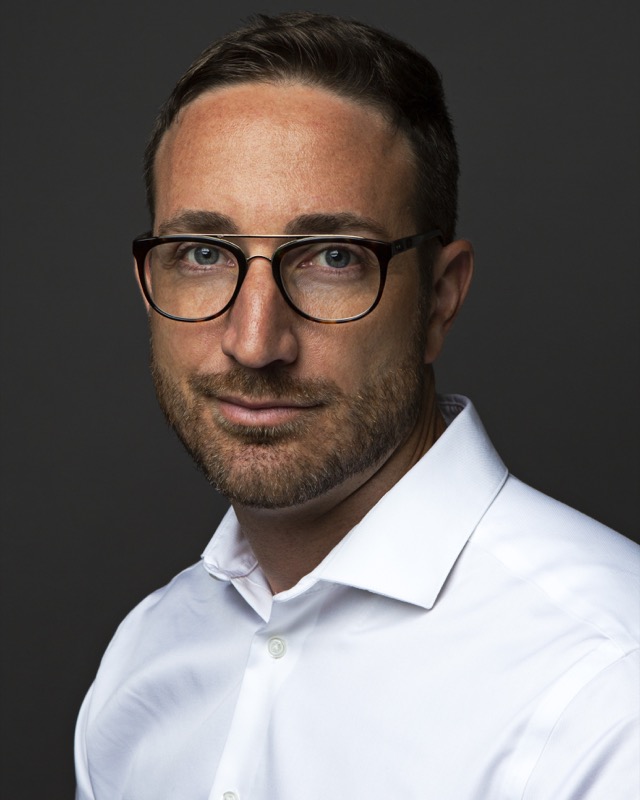
Prof. Rommie Amaro
Linus Pauling

A two-time Nobel laureate and one of the 20th century's most influential chemists. In 1948 he proposed that catalysis works by gripping a molecule's fleeting transition state, the insight that an antibody, shaped to the right target, could not just recognize an invader but take it apart. What was missing: a way to actually build such an antibody.

Portrait of Linus Pauling, Oregon Agricultural College, ca. 1920. Source: Ava Helen and Linus Pauling Papers, 1920i.1.

Our story

It began with a man whose own body held a clue.
HOSTAGE — an ARF film narrated by Julianne Moore
From ARF's film HOSTAGE, narrated by Julianne Moore. A conversation with Prof. Rommie Amaro is coming soon.

Zachary, ARF's founder, is an elite controller — yes, the one from the joke at the top of this page.

When he learned his body could fight off HIV on its own, he volunteered for HIV cure-research trials at labs like Bruce Walker's at Harvard and Michel Nussenzweig's at Rockefeller. Somewhere along the way, he came across a CBS story about people like him — and about a scientist, Dr. Sudhir Paul, working to unlock how it all worked. He reached out, and ARF was formed as a 501(c)(3) charity the next year to help fund the research.

Years later, when the initial federal grants for HIV vaccine research expired, Dr. Paul put a question to Zachary: if he gave away the science, could Zachary build a plan to finish it? Zachary's answer convinced Dr. Paul so completely that he donated his life's work — the HIV E-vaccine, along with its applications in Alzheimer's and heart disease — to ARF.

We own this science now. So we have to finish it — so we can give it away.

The bigger picture

HIV isn't over. And this is bigger than HIV.

World map: ARF's research in the United States flows out to pharma partners in developed markets and to free-license manufacturing partners across the Global South.
We own the science. In 2025 ARF secured the intellectual property for the HIV E-vaccine, and 4 other patents. Pharma partners will partner with us to finish human trials, in return for the right to sell the vaccine in the industrialized world. Free license to manufacturers in the Global South, modeled after Gilead's lenacapavir access plan.

Here's what gets lost: HIV is still a global emergency. Today's drugs manage it but don't cure it. They mean a pill every day for life, they don't reach roughly one in four people who need them, and about 40 million people are living with HIV, with more than 1.3 million newly infected every year. You can't manage your way out of a pandemic. The only real end is a vaccine, and a functional cure.

Because this lives inside a charity, not a pharmaceutical balance sheet, it's built to be shared. That's the heart of our commitment to a free license for the Global South: a vaccine that reaches the people who need it most, not only those who can pay.

The science behind our E-vaccine is a platform technology. We're already exploring applications in Alzheimer's and heart disease, and want to apply it against other infectious diseases. Vaccination rates are slipping, and threats like Covid, Ebola, and the flu aren't going anywhere. We want to do as much as we can.

Join us

We believe this is possible.

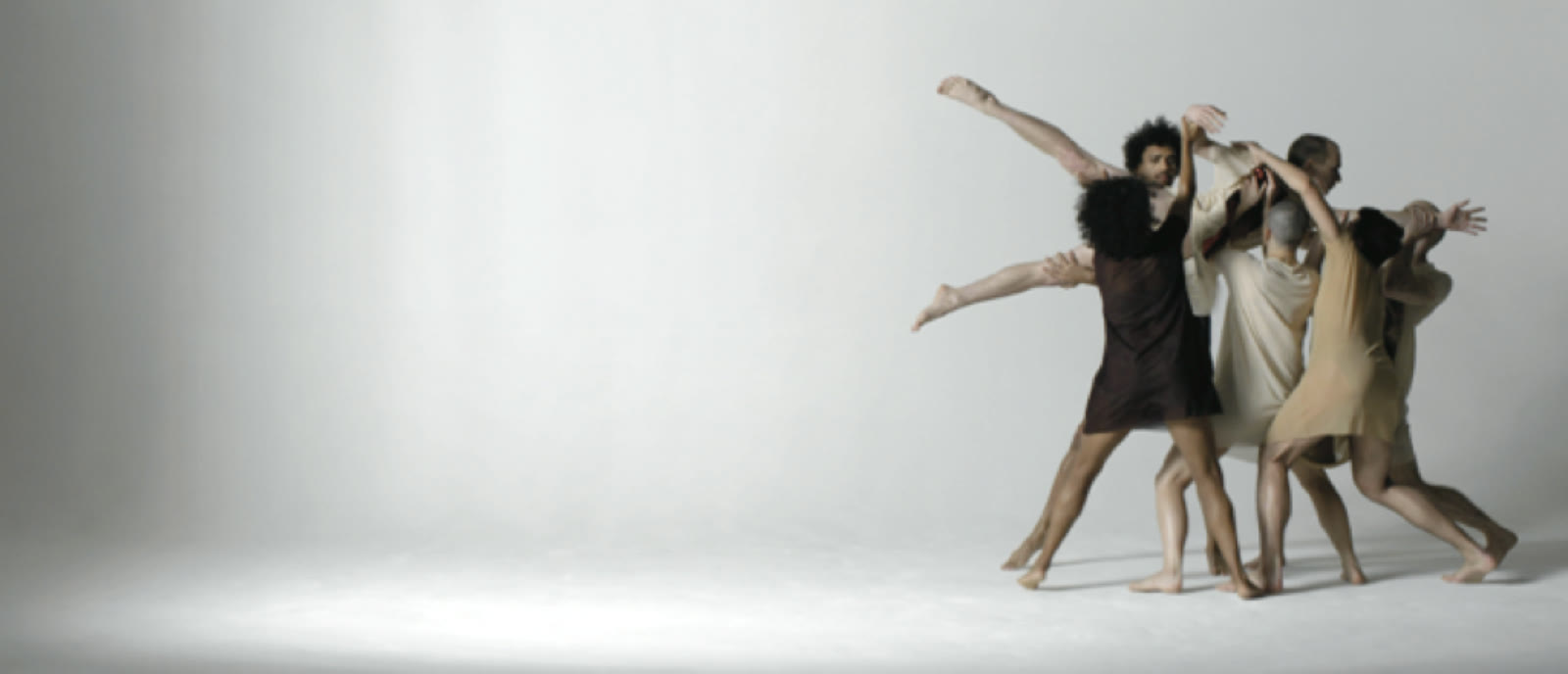
ARF is funded by people who understand that great science is a dance of observation, imagination, and problem-solving, grounded in the hard empirical work that ties them together. Interested in connecting or supporting? We'd love to hear from you.

Donate

Your gift funds the next gate: the lab work that moves the vaccine toward human trials.

ARF is a registered 501(c)(3); gifts are tax-deductible to the extent allowed by law. We work with all major donor-advised funds. Our EIN is 27-3438658.

Prefer to mail a check?
Abzyme Research Foundation
c/o Jamie Drake Design
210 11th Ave, Suite 503
New York, NY 10011

Stay in touch

Want the science as it unfolds, connect, partner, or ask a question? We'd love to hear from you.

Email Us

Board & Publications

The 2-minute version

Prefer to listen? Here's the short audio summary of what we're building.